
A UK study warns that illegal streaming exposes viewers to fraud, identity theft, malware and potentially organised crime; 37% of active users surveyed had encountered harmful or unsafe content. Researchers estimate fraud and theft cost these users about £270 million annually, while UK consumers spend around £1.2 billion a year on pirated content.

Bosnia and Herzegovina’s cable operators and audiovisual rights groups are urging online platforms and advertisers to speed up the removal of ads for illegal IPTV services. Discussions focused on clearer reporting procedures, but no platforms or implementation timetable were named.

Illegal streaming costs UK broadcasters an estimated £1.35 billion annually, including losses from sports, films and television. The study estimates wider effects equivalent to 10,400 jobs and £366 million in lost tax revenue, potentially reducing investment in production and sport.

Prima recorded its strongest monthly audience figures of the year in September, with its flagship channel reaching an 11% all-day share and 12.7% in prime time among viewers aged 15+. Kriminálka Slapy: Pod hladinou 2 was its most-watched programme, attracting 803,000 viewers.

Docent’s third series was September’s top-rated programme, with its 20 September episode drawing 1.6 million viewers aged 15 and over. Czech Television led all-day viewing among adults, while Nova Group topped prime time and younger demographics.

A WPI Economics study estimates that 31% of UK adults accessed illegal streams in the previous three months, rising to 51% among 18–24-year-olds. Films and TV were more commonly pirated than live sports, and social media was the most common access route.
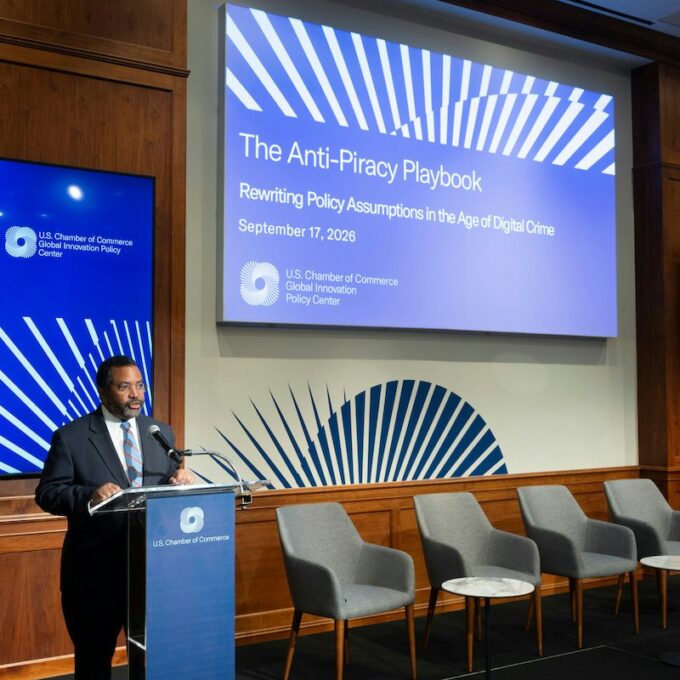
At the US Chamber of Commerce's Digital Piracy Symposium, leaders emphasized that digital piracy has evolved into a significant threat to consumers and businesses, necessitating a comprehensive approach to enforcement and policy that addresses its broader implications beyond copyright infringement.

UK anti-piracy organisation FACT says enforcement activity over the summer has resulted in prison sentences, arrests and financial penalties against operators and users of illegal streaming services.

Omdia's study emphasizes the need for a shift from reactive to preventive anti-piracy measures in the streaming era, highlighting the limitations of traditional methods and advocating for multi-DRM, forensic watermarking, and application security to enhance content protection.

The Creative Europe MEDIA programme will celebrate its 35th anniversary in 2026. Since its inception in 1991, it has played a key role in the development of the European film and audiovisual industry.

CANAL+ and LALIGA have signed a strategic anti-piracy agreement covering almost 50 countries across Europe, Africa and Haiti.
The Omdia study Next-Generation Anti-Piracy for TV and Video: Why the streaming era demands a shift from reaction to prevention therefore warns that piracy can no longer be viewed solely as a technical or legal issue.